


Herb Name
Action
Benefits
How to use it?
Where to buy it?
(Vicia ervilia)

BITTER VETCH Seeds
Legume seeds with nutritional and traditional uses:
*Source of plant protein and carbohydrates
*Contains tannins with astringent properties
*Traditional digestive aid
*Historical medicinal use in some cultures
*Contains amino acids and minerals
*Used in traditional food preparations
More commonly used as food than medicine:
*Source of plant-based protein
*Traditional food in some Mediterranean cultures
*Contains dietary fiber
*Provides essential amino acids
*Historical medicinal use limited
*Used in traditional dishes after proper processing
Food use: Soak and cook thoroughly to remove bitterness. Medicinal use not well-established. Consult traditional knowledge.
(Amaranthus paniculatus)

AMARANTH Herb
Nutritive grain and medicinal herb with various actions:
*Rich source of protein, lysine, and minerals
*Contains squalene with antioxidant properties
*Exhibits cholesterol-lowering effects
*Supports cardiovascular health
*Contains anti-inflammatory compounds
*Provides dietary fiber for digestive health
Ancient grain rediscovered as superfood:
*Excellent source of complete plant-based protein
*Supports healthy cholesterol levels
*Provides important minerals like calcium, iron, magnesium
*Gluten-free alternative to traditional grains
*Supports digestive health with high fiber content
*Contains antioxidants that protect against cellular damage
Grain: Cook like rice or quinoa. Leaves: Steam or saut�� like spinach. Tea: Steep dried leaves 5-7 min for mild to
(Vicia ervilia)

BITTER VETCH Herb Powder
Traditional fodder plant with some medicinal use:
*Contains tannins with astringent properties
*Exhibits mild diuretic effects
*Traditional digestive tonic
*Contains protein and nutrients
*Historical use for respiratory issues
*May have anti-inflammatory properties
Primarily used as animal fodder with limited human use:
*Traditional digestive tonic in some cultures
*Provides plant-based protein
*Historical treatment for coughs
*Used in traditional medicine systems
*Contains nutritional compounds
*Limited documented human medicinal benefits
Not commonly used medicinally. Primarily animal fodder. If used: tea from 1 tsp powder, but consult traditional practitioner.
(Geum urbanum)
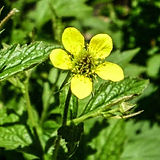
AVENS Herb
Astringent and digestive herb with tonic properties:
*Contains high tannin content for tissue contraction
*Exhibits anti-inflammatory effects
*Supports digestive system function
*Has mild antimicrobial properties
*Traditional febrifuge (fever reducer)
*Contains eugenol with analgesic properties
Traditional European remedy with multiple applications:
*Soothes mouth and throat inflammations
*Supports digestive health for diarrhea
*Traditional remedy for intermittent fevers
*May help reduce bleeding from minor wounds
*Supports gum health for gingivitis
*Historical use for headache relief
Tea: Steep 1-2 tsp dried herb in boiling water 10 min. Mouthwash: Use cooled tea for gum inflammation. Short-term use only.
(Cynara scolymus)

ARTICHOKE Leaf
Bitter digestive and hepatoprotective herb:
*Stimulates bile production and flow
*Protects liver cells from damage
*Lowers cholesterol through multiple mechanisms
*Acts as diuretic to support kidney function
*Contains cynarin that aids digestion
*Exhibits antioxidant properties
Supports liver and digestive health significantly:
*Improves digestion of fats and reduces bloating
*Lowers LDL cholesterol and triglycerides
*Supports liver detoxification and regeneration
*May help manage irritable bowel syndrome
*Reduces nausea and digestive discomfort
*Provides antioxidant protection for liver cells
Tea: Steep 1-2 tsp dried leaves in hot water 5-10 min. Extract: 300-640 mg standardized extract before fatty meals.
(Medicago sativa)

ALFALFA Seeds
Nutritive tonic and diuretic herb with multiple actions:
*Rich source of vitamins, minerals, and chlorophyll
*Contains phytoestrogens that modulate hormone activity
*Acts as mild diuretic to support kidney function
*Supports digestive health with enzymes
*Exhibits anti-inflammatory properties
*Contains saponins that may help cholesterol
Highly nutritious herb often called 'father of all foods':
*Provides comprehensive vitamin and mineral supplementation
*Supports healthy cholesterol levels
*May help manage menopausal symptoms
*Promotes healthy digestion and relieves constipation
*Supports kidney health and reduces water retention
*Provides antioxidant protection against free radicals
Sprout seeds for salads. Tea: Steep 1-2 tsp dried leaves in hot water 5-7 min. Tincture: 2-4 ml up to 3 times daily with food.
Sources
We use reputable, internationally recognized health references to prepare the educational information presented on this page:
-
NHS (UK) — https://www.nhs.uk
-
Mayo Clinic — https://www.mayoclinic.org
-
Cleveland Clinic — https://my.clevelandclinic.org
-
MedlinePlus (NIH) — https://medlineplus.gov
-
HSE / NI Direct (Ireland) — https://www2.hse.ie | https://www.nidirect.gov.uk
-
Bupa UK — https://www.bupa.co.uk
-
Harvard Health Publishing — https://www.health.harvard.edu
-
World Health Organization (WHO) — https://www.who.int
-
NHS (UK) — https://www.nhs.uk
-
Mayo Clinic — https://www.mayoclinic.org
-
Cleveland Clinic — https://my.clevelandclinic.org
-
MedlinePlus (NIH) — https://medlineplus.gov
-
HSE / NI Direct (Ireland) — https://www2.hse.ie | https://www.nidirect.gov.uk
-
Bupa UK — https://www.bupa.co.uk
-
Harvard Health Publishing — https://www.health.harvard.edu
-
World Health Organization (WHO) — https://www.who.int
NHS (UK) — https://www.nhs.uk
Mayo Clinic — https://www.mayoclinic.org
-
Mayo Clinic — https://www.mayoclinic.org
-
Cleveland Clinic — https://my.clevelandclinic.org
-
MedlinePlus (NIH) — https://medlineplus.gov
-
HSE / NI Direct (Ireland) — https://www2.hse.ie | https://www.nidirect.gov.uk
-
Bupa UK — https://www.bupa.co.uk
-
Harvard Health Publishing — https://www.health.harvard.edu
-
World Health Organization (WHO) — https://www.who.int
-
NHS (UK) — https://www.nhs.uk
-
Mayo Clinic — https://www.mayoclinic.org
-
Cleveland Clinic — https://my.clevelandclinic.org
-
MedlinePlus (NIH) — https://medlineplus.gov
-
HSE / NI Direct (Ireland) — https://www2.hse.ie | https://www.nidirect.gov.uk
-
Bupa UK — https://www.bupa.co.uk
-
Harvard Health Publishing — https://www.health.harvard.edu
-
World Health Organization (WHO) — https://www.who.int